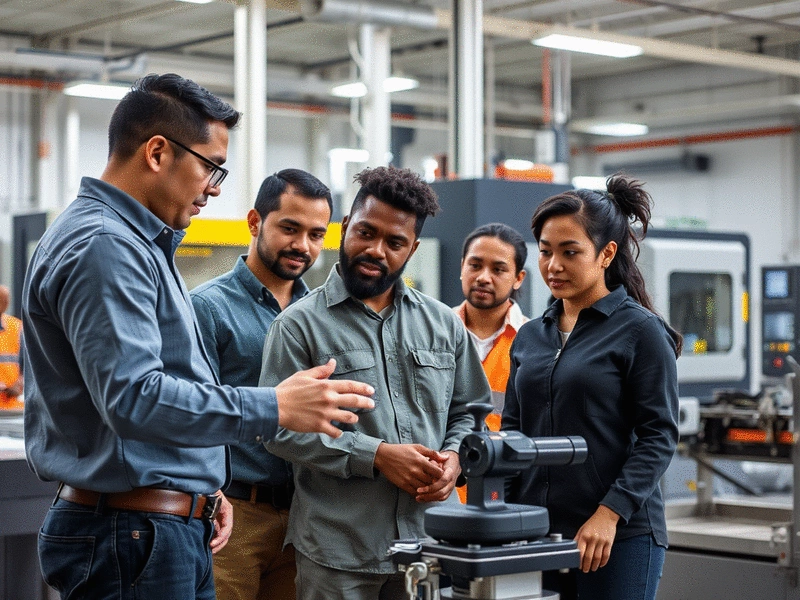
Skill Assessments & Customized Training
Evaluating current skills to identify gaps and tailoring learning experiences to meet specific industry demands.
Foundation
As we navigate the complexities of modern manufacturing, it's crucial to consider how workforce development shapes the industry. Did you know that effective training programs can significantly enhance productivity and employee satisfaction? This article reveals the transformative power of strategic workforce initiatives.
Workforce development initiatives are reshaping the manufacturing landscape. Below are the essential components that contribute to a skilled, adaptable, and innovative industrial workforce.
Evaluating current skills to identify gaps and tailoring learning experiences to meet specific industry demands.
Practical experience and knowledge transfer from seasoned professionals are invaluable for skill enhancement.
Targeted curricula and collaboration with educational institutions to develop relevant skills and strong job placement.
Funding, resources, and regular assessments ensure programs remain relevant and address unique community challenges.
In the manufacturing landscape, the term workforce development encompasses a wide range of initiatives designed to prepare workers for the demands of modern industry. At Upbeat Industry, we believe that a well-trained workforce is essential not only for individual career advancement but also for the overall success of the manufacturing sector. By investing in workforce development, companies can create a more skilled labor pool capable of adapting to changing technologies and market conditions.
When we talk about workforce development in the context of manufacturing careers, we're referring to various training and educational programs that equip individuals with the necessary skills and knowledge. These programs can range from on-the-job training to formal education and certifications, all aimed at enhancing productivity and career potential.
Workforce development in manufacturing is about more than just filling jobs; it's about shaping a sustainable future for our industry. This involves understanding the specific needs of employers and aligning educational resources accordingly. Here are some key elements:
These elements are crucial for creating a responsive workforce capable of meeting the challenges posed by technological advancements and market shifts.
Workforce development is critical for the growth of the manufacturing sector. As we look at the future, it's clear that the ability to adapt to new technologies and processes will determine our industry's success. By fostering a culture of continuous learning, we can drive innovation and improve efficiency. Consider the following benefits:
By prioritizing workforce development, we can create a vibrant, capable workforce that not only meets the demands of today but also drives the manufacturing sector into a prosperous future.
Effective skills training programs are essential for ensuring that the workforce is prepared to tackle the evolving challenges in manufacturing. Here are some of the key components that make these programs successful:
By integrating these components into training programs, manufacturers can ensure that their workforce remains competitive and equipped for the future.
Vocational education plays a pivotal role in developing a skilled workforce tailored to the needs of the manufacturing sector. This type of education focuses on practical skills that are directly applicable to specific jobs, making it an ideal pathway for those entering the field. Here’s why vocational education is vital:
At Upbeat Industry, we celebrate the transformative potential of vocational education in shaping the future of manufacturing careers. By prioritizing these educational pathways, we can equip individuals with the skills they need to succeed and thrive in a rapidly changing environment.
To maximize the benefits of workforce development programs, consider participating in mentorship opportunities within your organization. Pairing with experienced professionals can provide invaluable insights and guidance, enhancing your skill set and career trajectory in the manufacturing industry.
Workforce development is a game-changer for the manufacturing sector, particularly as we navigate an evolving job market. At Upbeat Industry, we see how advanced programs are not only preparing individuals for jobs today but also for the future landscape of manufacturing. By focusing on practical, hands-on training and continuous learning, these initiatives are reshaping the workforce to meet emerging challenges and opportunities.
Consider these key insights from successful workforce development programs:
These elements not only uplift individual careers but also contribute to the overall health of the manufacturing industry, promoting a culture of continuous improvement and adaptability.
Workforce development in manufacturing involves initiatives designed to prepare workers for the demands of modern industry. It includes various training and educational programs, skill assessments, and customized learning experiences to enhance productivity and career potential, ultimately creating a skilled and adaptable labor force.
Workforce development is crucial for industry growth, increasing productivity, attracting new talent, and retaining skilled workers. It enables the industry to adapt to new technologies and market conditions, fostering innovation and efficiency.
Key components include hands-on training for practical experience, mentorship opportunities for knowledge transfer, and continuous evaluation to ensure training remains relevant and effective.
Vocational education provides targeted curricula with practical skills directly applicable to specific jobs. It offers shorter training periods and leads to stronger job placement rates, making it an ideal pathway for individuals entering the manufacturing field.
Federal initiatives provide essential funding, resources, and frameworks to bolster local workforce development programs. They support vocational training, foster partnerships between businesses and educational institutions, and promote innovative training methods.
As manufacturing professionals, we have the power to take charge of our career paths through proactive engagement in workforce development programs. I encourage each of you to explore the resources available in your communities. Whether it’s enrolling in a new training program or participating in industry workshops, every effort counts! Embrace the opportunity to enhance your skill set and stay competitive in this dynamic field.
Remember, the future of manufacturing depends on the strength of our workforce. Let’s take the initiative to shape our careers and uplift the industry as a whole.
Federal initiatives play a vital role in bolstering local workforce development programs across the manufacturing sector. These programs provide essential funding, resources, and frameworks that help sustain and grow local training efforts. By advocating for federal support, we can ensure more robust programs are available to address the unique challenges within our communities.
As members of the manufacturing community, we can collaborate with federal and local agencies to maximize these initiatives. Together, we can foster a manufacturing workforce that is skilled, diverse, and ready to meet the demands of the future!
Here is a quick recap of the important points discussed in the article:
Nathaniel Becker is a passionate advocate for the manufacturing sector, dedicated to uncovering and sharing stories of innovation and success across the global industrial landscape. With a keen eye for emerging trends and a background in industrial reporting, Nathaniel aims to inspire confidence in the future of manufacturing through compelling narratives and insightful analyses.


